Growing Your Podcast Audience on Social Media
Promoting a podcast on social media involves a systematic approach to content creation, platform selection, and audience interaction. The process begins with understanding how each platform’s unique features and user behaviors can be leveraged to share episode highlights and engage potential listeners. By examining the methods used by successful podcasters, one can identify patterns and practices that may be adapted to different contexts and goals.
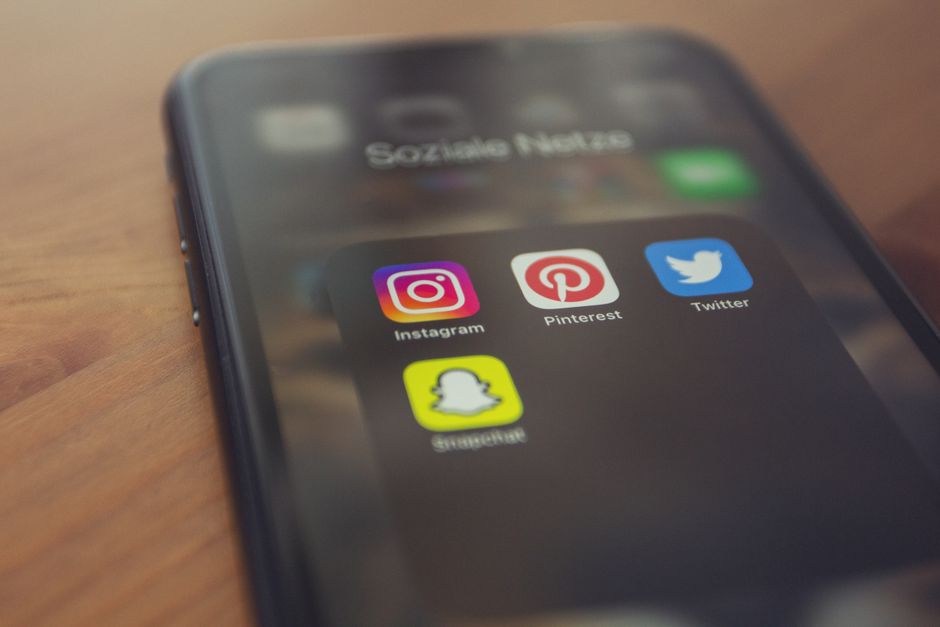
This article outlines various strategies for using Instagram, TikTok, and Twitter to promote podcast episodes and foster community. It covers content planning, visual and audio elements, scheduling, and engagement techniques. The focus is on providing a framework that can be customized based on available resources and target audience. The information is intended for educational purposes and does not guarantee specific results, as outcomes depend on multiple factors including content quality, consistency, and audience preferences.
Effective social media promotion requires a balance between promotional content and value-added posts that resonate with followers. By adopting a thoughtful approach, podcasters can increase visibility and encourage organic sharing. The following sections explore key considerations and actionable steps for each platform, emphasizing transparency and methodological rigor.
Understanding Platform-Specific Dynamics
Each social media platform has distinct characteristics that influence how podcast content is received and shared. Instagram emphasizes visual storytelling through images, short videos, and Stories, making it suitable for behind-the-scenes content, episode teasers, and interactive polls. TikTok’s algorithm favors short, engaging videos with trending sounds and creative editing, which can help reach new audiences beyond existing followers. Twitter is more text-centric, ideal for real-time updates, conversation threads, and sharing episode links with commentary.
When planning a promotion strategy, consider the demographics and content consumption habits of each platform’s user base. For instance, Instagram’s audience tends to engage with aesthetically pleasing graphics and personal narratives, while TikTok users expect authenticity and entertainment value. Twitter users often look for concise information and opportunities to join discussions. Aligning content with these expectations can improve engagement rates and drive traffic to the podcast.
It is also important to recognize that cross-promotion across platforms can amplify reach, but each platform should be treated as a unique channel with tailored content. Repurposing the same post across all platforms without adaptation may lead to lower engagement. Instead, create platform-specific variations that highlight different aspects of the episode.
Planning and Creating Engaging Content
A content calendar helps maintain consistency and ensures a steady flow of promotional posts. Start by outlining key episodes and identifying compelling moments that can be turned into shareable snippets. These snippets can be short audio clips, video excerpts, quotes, or behind-the-scenes footage. The goal is to provide value and spark curiosity, encouraging users to listen to the full episode.
Visual assets play a crucial role in capturing attention. For Instagram posts, use high-quality images with text overlays that pose questions or highlight key takeaways. For TikTok, create short-form videos that incorporate captions and trending audio to increase discoverability. Twitter posts can include a mix of text, images, and links, with threads that delve into episode topics.
When crafting content, focus on storytelling rather than hard selling. Share personal anecdotes, guest insights, or listener questions to humanize the podcast and build a connection. Use calls to action that invite engagement, such as asking followers to comment with their thoughts or tag a friend who might enjoy the episode.
Additionally, consider the use of hashtags to expand reach. Research relevant hashtags for each platform and incorporate a mix of broad and niche tags. Avoid overloading posts with too many hashtags, as this can appear spammy. Instead, choose a few that accurately reflect the content and resonate with the target audience.
Leveraging Instagram for Podcast Promotion
Instagram offers multiple formats for promoting podcast episodes, including feed posts, Stories, Reels, and IGTV. Feed posts can feature episode artwork, quotes, or carousel slides that summarize key points. Stories are ideal for time-sensitive updates, polls, and swipe-up links (if available) to direct listeners to the episode. Reels, with their short-form video format, can showcase highlights or funny moments and often reach a wider audience through the Explore page.
To maximize engagement, use a consistent visual style that reflects the podcast’s brand. This includes color schemes, fonts, and logo placement. Interactive elements such as quizzes, question stickers, and countdowns can boost participation and keep followers invested. When posting, consider the optimal times based on when your audience is most active, which can be determined through Instagram Insights.
Collaborating with guests or other podcasters through Instagram Live or joint posts can introduce the podcast to new audiences. Cross-promotion with complementary accounts can be mutually beneficial. Additionally, encouraging listeners to share their favorite moments by tagging the podcast can generate user-generated content and foster community.
Utilizing TikTok for Discoverability
TikTok’s algorithm prioritizes content that keeps users watching, so creating engaging short videos is key. Start with a strong hook in the first few seconds to capture attention. Use on-screen text to highlight the topic or question being addressed. Incorporate trending sounds and music, but ensure they align with the podcast’s tone and message. Authenticity is valued on TikTok, so raw, unpolished videos often perform better than overly produced ones.
Experiment with different video formats, such as talking-head clips, animated text, or behind-the-scenes footage. Post consistently, ideally once per day, to increase the chances of appearing on the For You page. Engage with comments and respond to questions to build a community around the podcast. Use relevant hashtags and participate in trends that relate to the podcast’s niche.
Another effective tactic is to create a series of videos that tease an upcoming episode. For example, a three-part series that shares a compelling story from the episode can create anticipation. Link to the full episode in the bio, and use a call to action in the video to guide viewers to the link.
Analyze performance metrics such as views, likes, shares, and follower growth to understand what resonates. Adjust content strategy based on these insights. Remember that TikTok success often requires patience and experimentation, as virality is not guaranteed.
Engaging on Twitter and Building Community
Twitter is well-suited for real-time interaction and conversation. Use it to share episode announcements, live-tweet during relevant events, and participate in Twitter chats related to the podcast’s topic. Threads can be used to break down complex ideas from an episode into digestible insights, with each tweet building on the previous one. Include a link to the episode at the end of the thread.
Engage with followers by asking questions, conducting polls, and responding to mentions. Retweet and quote-tweet listener feedback to show appreciation and encourage further discussion. Building a community on Twitter involves consistent interaction and providing value beyond promotion. Share resources, articles, or tips that align with the podcast’s theme.
Collaborate with other users through Twitter Spaces, which allows for live audio conversations. Hosting a Space with a guest or fellow podcaster can attract new listeners and position the podcast as a thought leader. Promote the Space in advance and share the recording afterward for those who missed it.
Use Twitter Analytics to track engagement and identify peak activity times. Schedule tweets using tools like TweetDeck or Buffer to maintain a regular posting cadence without overwhelming your daily routine. However, avoid automating all interactions; personal engagement is crucial for building genuine relationships.
Integrating Strategies and Measuring Progress
An integrated approach that combines efforts across Instagram, TikTok, and Twitter can create a cohesive promotional ecosystem. For example, use Instagram to share visual highlights, TikTok to reach new audiences with short clips, and Twitter to engage in conversations and share links. Cross-promote by mentioning other platforms in posts, such as directing Instagram followers to a Twitter thread for deeper discussion.
To assess the effectiveness of the strategy, track key performance indicators (KPIs) such as website clicks, episode downloads, follower growth, and engagement rates. Use platform-specific analytics tools to gather data and compare performance over time. This information can inform adjustments to content, timing, and platform focus.
It is important to set realistic expectations and recognize that growth is often gradual. Factors such as content quality, consistency, and audience resonance influence results. By maintaining a methodical approach and remaining adaptable, podcasters can refine their social media presence and potentially expand their listener base.