Discover the technical knowledge and production standards behind our articles, from audio gear testing to distribution platform analysis.
Our Approach to Equipment Evaluation
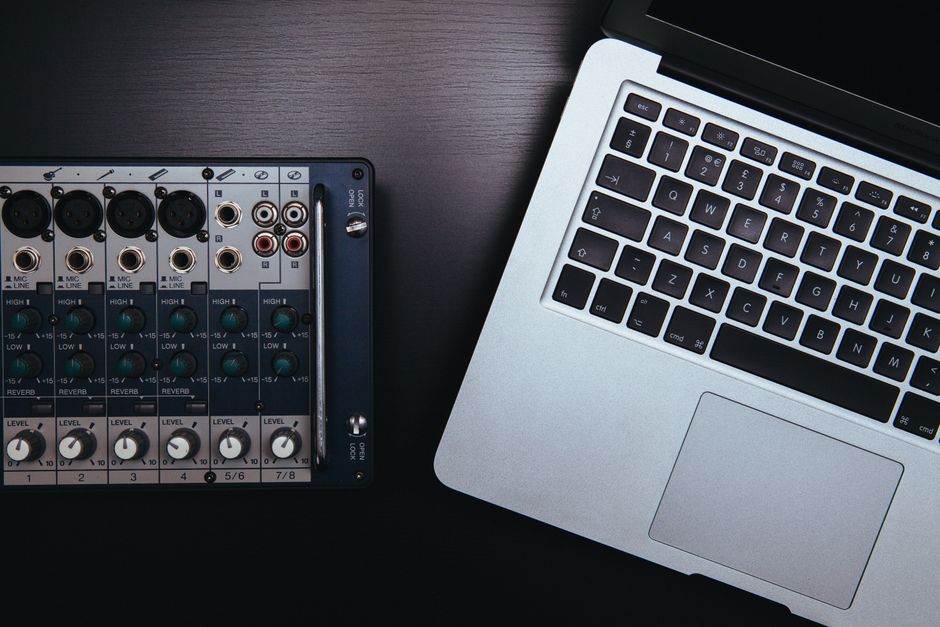
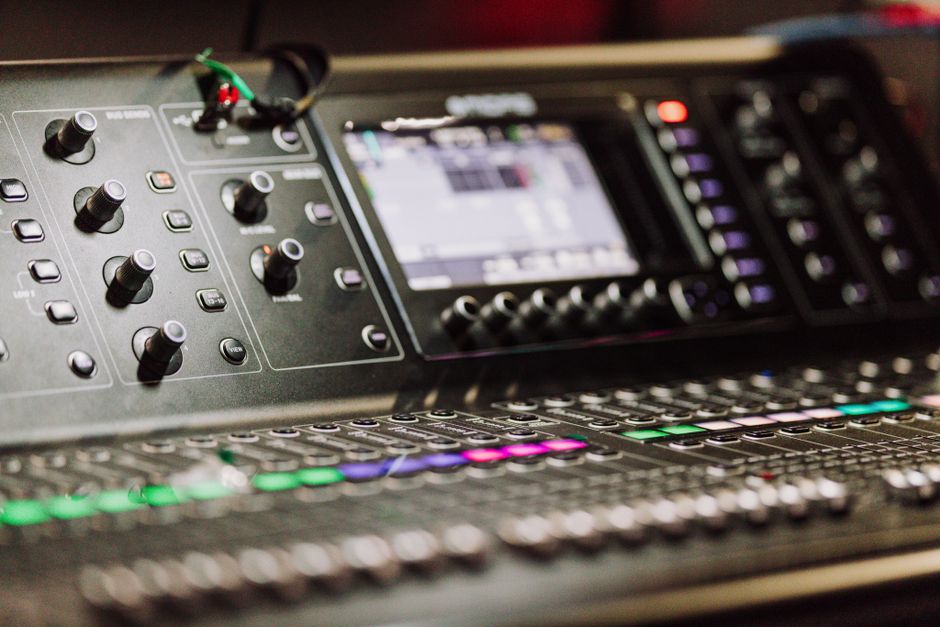
Articles on this site often assess microphones, recording interfaces, and related podcast gear. Evaluation follows a consistent process: each device is tested in a controlled acoustic environment using calibrated playback and measurement tools. We compare frequency response, self-noise, and usability factors such as setup complexity and software compatibility. Testing conditions and evaluation criteria are documented alongside each article. The purpose is to describe observed characteristics and methodology, not to rank or recommend specific products. Actual performance varies with room acoustics, recording chain, and user technique, so results should be interpreted as method-specific. This documentation framework supports transparent, contextual understanding for podcasters reviewing technical options.
Reader Perspectives on Technical Reviews and Analyses
David Kim
The gear testing details helped me understand signal-to-noise ratios. I appreciate the neutral explanations without exaggerated promises.
Maria Torres
The distribution platform comparisons gave me a clear view of how hosting options differ. I found the technical focus useful and unbiased.
James Whitfield
The production standards articles were straightforward and practical. I now have a better reference for evaluating microphones, editing workflows, and release channels.
How We Evaluate Distribution Platforms
Our distribution platform analysis examines reach metrics, listener analytics, and technical requirements to create a framework for informed decisions. We assess publishing workflows, updating processes, and analytics reporting, focusing on measurable characteristics without endorsing specific services or predicting results. Each evaluation follows a consistent process that includes examining catalog management, access conditions, and compatibility variables. This approach provides descriptive insights into how various platforms operate, noting dependencies on ownership models, regional availability, and feature changes. The information is presented for educational purposes, highlighting factors to consider when navigating distribution options. Because platform characteristics can evolve based on licensing, infrastructure, and market context, we encourage ongoing verification rather than reliance on fixed conclusions.
Editorial Standards and Research Methodology
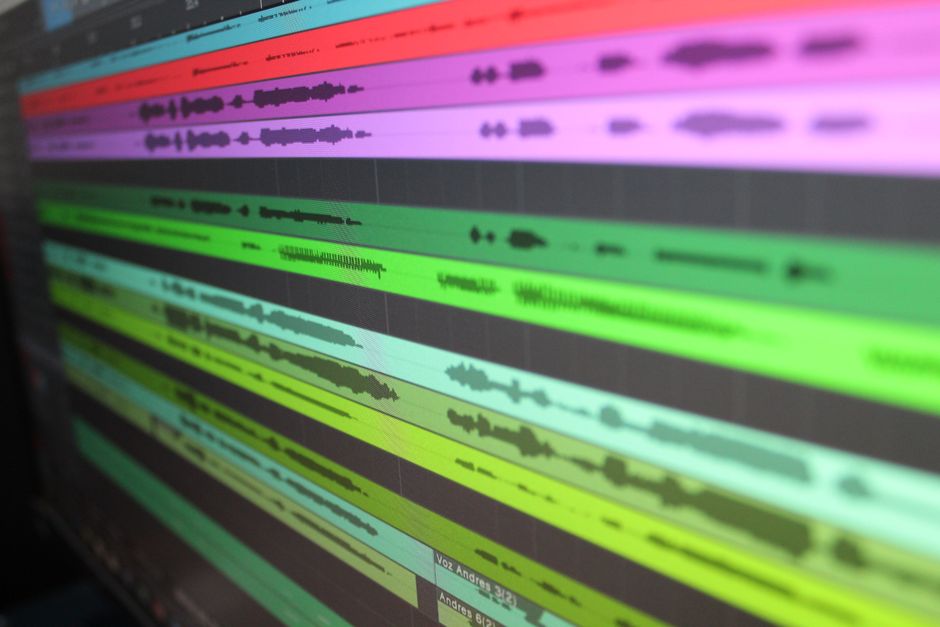
Articles on podcast production are developed through structured research and a consistent editorial process. Technical topics, from audio gear to distribution platforms, are examined using documented features, specifications, and contextual use cases. Accuracy and transparency guide each piece, with sources cited where applicable. The content is informational, not prescriptive; it does not provide advice or assume responsibility for production decisions. Variations in equipment, environments, and platform policies can influence individual outcomes.
We use cookies
We use cookies to ensure the proper functioning of the website, analyze traffic, and improve your experience. You can accept all cookies or reject them — the site will continue to operate. For more details, read our Cookie Policy.